Enugu State To Launch 660MW Coal Power Plant In July
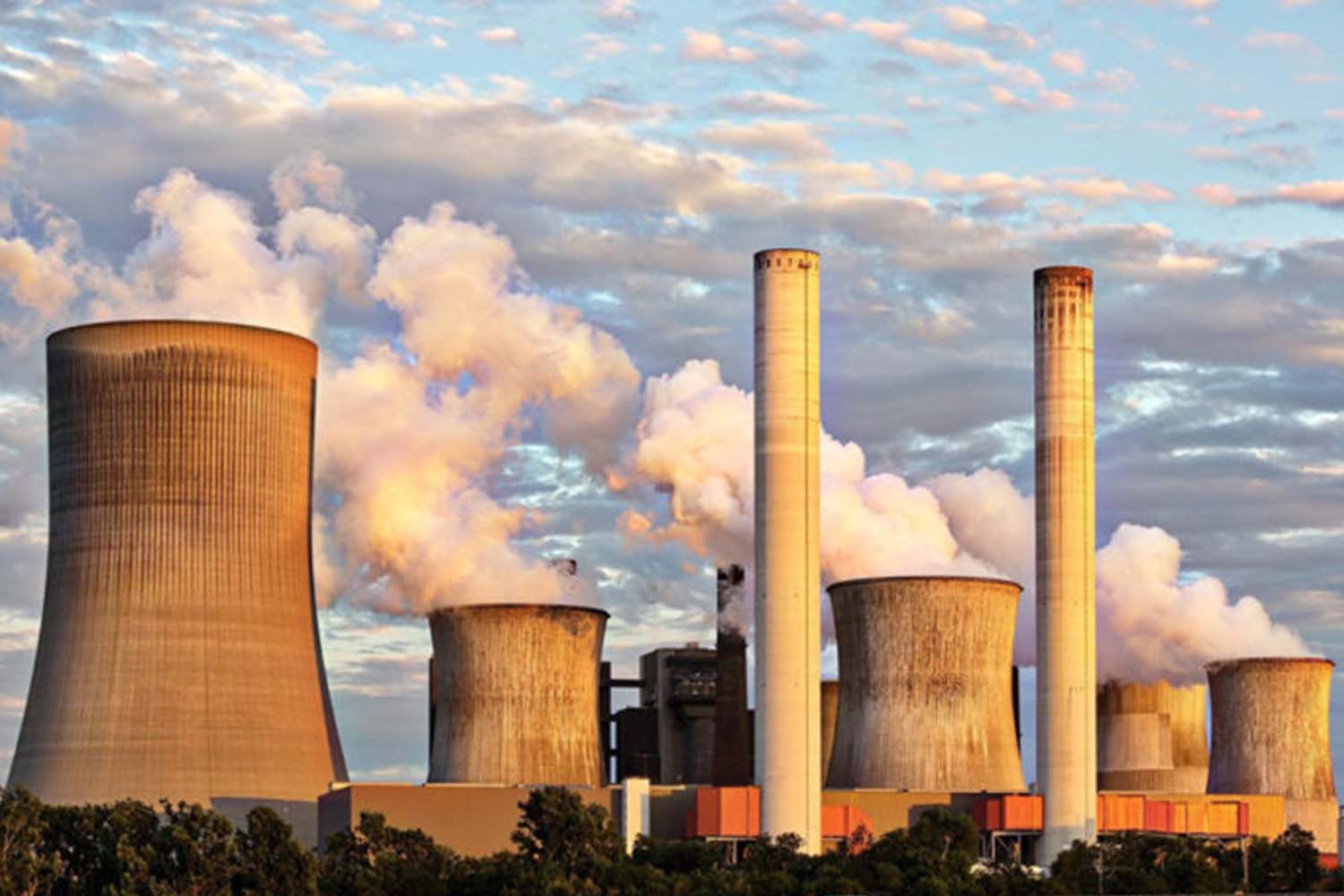
The Enugu State Government has unveiled plans to commence construction of a 660-megawatt coal-fired power plant in July, in a move aimed at boosting electricity supply, industrialisation and long-term economic growth in the state.
Governor Peter Ndubuisi Mbah disclosed the plan during a solidarity visit by the Organised Private Sector Nigeria (OPSN) at the Government House in Enugu, describing the project as a critical pillar of the administration’s strategy to transform the state into a major economic and industrial hub.
The governor said the project would be completed within 24 months, with the target of commissioning the plant by 2027.
“But we have gone beyond just setting up the electricity market to now being interested in producing the electricity here. I am pleased to inform you that in July we are going to be breaking ground for a 660MW coal-fired power plant,” Mbah said.
“The outlay in terms of time for building the plant is 24 months. So, our target is to commission that power plant 24 months after the groundbreaking in July.”
According to him, the project is expected to significantly improve electricity reliability for both residential and industrial consumers in the state while reducing energy costs.
“What that simply means is that post-2027, you will not have your power go off in Enugu, whether for businesses or for residential. You are also going to have affordable electricity because it is going to be by far the cheapest in the country,” he said.
The planned plant will leverage Enugu’s extensive coal deposits, historically one of the state’s key natural resources, to support power generation and broader industrial expansion.
Try This and See What You Unlock
Try this short interactive format.Make a choice and uncover what’s waiting for you.
Mbah noted that the state had already taken steps to establish its own electricity market following constitutional and legislative reforms that decentralised aspects of Nigeria’s power sector.
He said Enugu was the first subnational government in Nigeria to establish an electricity market after amendments to the Constitution and the Electricity Act transferred electricity from the Exclusive Legislative List to the Concurrent List, allowing states to participate across the power value chain, including generation, transmission and distribution.
The governor also addressed environmental concerns often associated with coal-fired plants, arguing that Enugu’s coal reserves are among the cleanest globally due to their low sulphur content and high calorific value.
“The interesting thing about our coal is that we have the best quality of coal in the world. Our sulfur content is less than 0.5 percent. With 1 percent you are happy, but this one is 0.5 percent. The only country that comes close is Japan,” he said.
“So, instead of just exporting our coal, we are going to be benefiting from it by adding value, generating electricity with it.”
Mbah added that the project followed about two years of technical studies and strategic planning, including the acquisition of coal assets to guarantee long-term fuel supply for the facility.
Industry analysts said the development could position Enugu as a major regional energy hub, particularly as Nigeria grapples with chronic power shortages, weak grid infrastructure and rising demand for reliable electricity from industries and households.
The project is also expected to stimulate investment inflows, create jobs and support manufacturing activities across the South-East region